The Psychology Behind VR Experiences: Why Virtual Reality Feels So Real
Discover the psychology of VR experiences and why virtual reality feels incredibly real to the human brain. Learn how immersion, presence, and emotional engagement make VR a powerful tool for storytelling, training, and digital experiences.
VIRTUAL TOUR
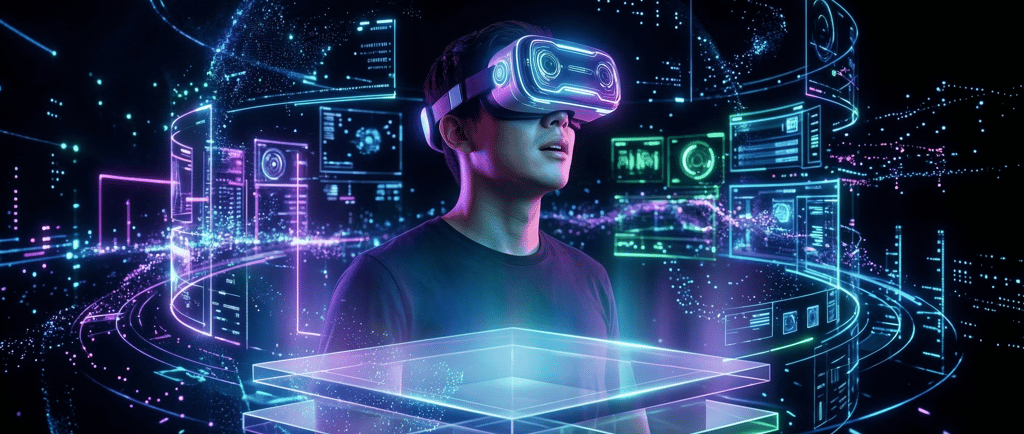
The Psychology of "Being There": Why VR Feels More Real Than Reality
Have you ever put on a VR headset and, for a split second after taking it off, felt a little confused about which world was the "real" one? You aren't alone. Virtual Reality isn't just a fancy screen strapped to your face; it’s a profound psychological journey.
When we step into a digital world, our brains stop being spectators and start being participants. Here is the "human" side of why VR is reshaping our reality.
1. The Magic of "Presence"
The "secret sauce" of VR is a psychological state called Presence. It’s that tipping point where your brain stops saying, "I am looking at a forest," and starts saying, "I am standing in a forest."
When you use a device like the Meta Quest 3, your brain is hit with a trifecta of immersion:
360° Vision: Everywhere you turn, the world responds.
Spatial Audio: You hear a bird chirp behind you, not just in your ears.
Agency: When you move, the world moves with you.
2. We Don’t Just Watch; We Feel
Traditional video is like looking through a window. VR is like stepping through the door. This shift creates Emotional Perspective. Whether it’s standing inside a historical temple or walking a factory floor, the empathy levels skyrocket because you are physically "there."
As many users on r/VirtualReality often discuss, the emotional "hangover" from a powerful VR experience can last for days because your brain filed it under "Actual Memories," not "Movies I Watched."
3. Why Your Brain Loves 360° Spaces
The human brain is a spatial engine. We evolved to understand depth, scale, and distance. VR triggers our Proprioception—our sense of self-movement and body position.
In a 360° virtual tour, you aren't being guided by a cameraman; you are the explorer. That freedom to look around is what builds a deep, subconscious connection to the environment.
4. Learning by Doing (Without the Risk)
Why do we remember VR experiences better? Because we did them.
Education: Students don't just read about Rome; they walk the Forum.
Industrial Training: Workers practice high-stakes repairs in a safe, digital "sandbox."
Retention: Studies show VR can improve learning retention by up to 75% compared to traditional methods.
🎥 Recommended Watch: The Power of Immersion
To see these psychological concepts in action, I highly recommend this deep dive into how VR affects our perception: YouTube: How Virtual Reality Tricks Your Brain
Frequently Asked Questions (FAQ)
Q: Does VR cause "simulator sickness"? A: It can for some, but modern high-refresh-rate headsets and professional 360° capture (like the kind we do at 360 VR Photography) significantly reduce motion blur and lag, making the experience much smoother for the brain.
Q: Can VR actually help with phobias? A: Yes! It’s called VR Exposure Therapy (VRET). It’s widely used to help people overcome fears of heights, flying, or public speaking in a controlled environment.
Q: Is 360° video the same as VR? A: 360° video is a type of VR experience. While it’s less about "gaming," it provides the highest level of visual realism for real-world locations, making it perfect for tours and storytelling.
Let’s Create Your Virtual World
At 360 VR Photography, we don't just take pictures; we build digital memories. Whether you want to showcase a luxury property, a massive solar farm, or a cultural heritage site, we bring the psychology of presence to your project.
Get in touch to start your immersive journey:
Founder: Viral Gala
Company: 360 VR Photography
Phone: +91 9920322366
Websites: * www.360vrphotography.com

Experience
Engaging virtual tours for real estate and events.
Innovative
Immersive
info@360vrphotography.in
+91 9920322366